Our programs are built around a simple theory of change: people graduate out of poverty when they gain skills that pay, the tools to apply those skills, and a community of peers to fall back on. Everything we do points toward that outcome.

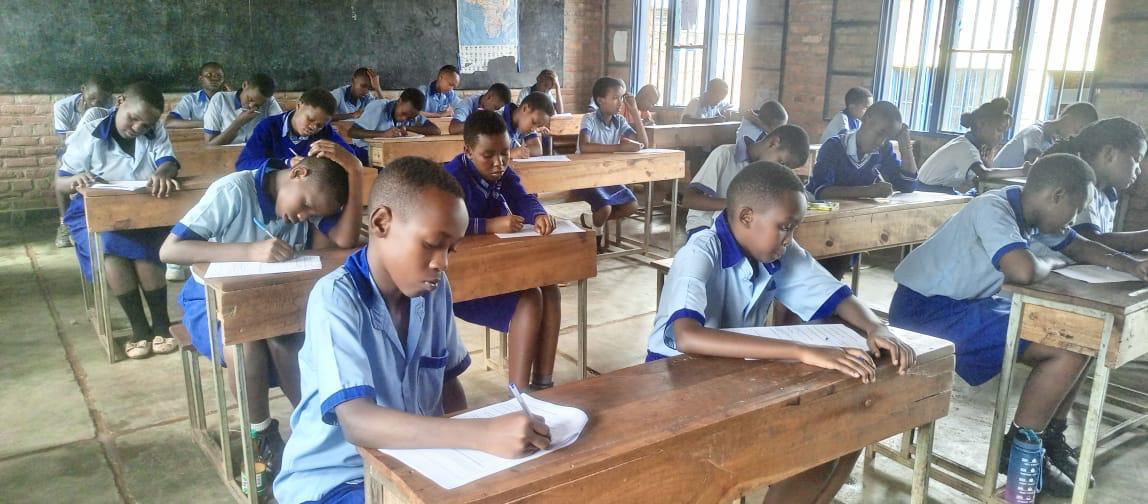
Students at La Pépinière Primary and Nursery School
Program 01

Education Promotion

ASEDC's flagship program supports children and youth in accessing quality primary and nursery education. La Pépinière Primary and Nursery School — opened in 2002 — supported 308 pupils through 2011 and now enrolls over 600 students.

We focus on children most often left behind: orphans, street children, children of parents living with HIV/AIDS, and refugees re-integrating into Rwandan society. Beyond enrollment, we provide health insurance for all supported children, school materials, and home renovations for the most vulnerable families.

  • La Pépinière Primary and Nursery School — 600+ pupils enrolled
  • Health insurance coverage for supported children
  • School supplies and uniforms for vulnerable students
  • Home renovations for families of supported children
  • Reintegration support for street children and refugees
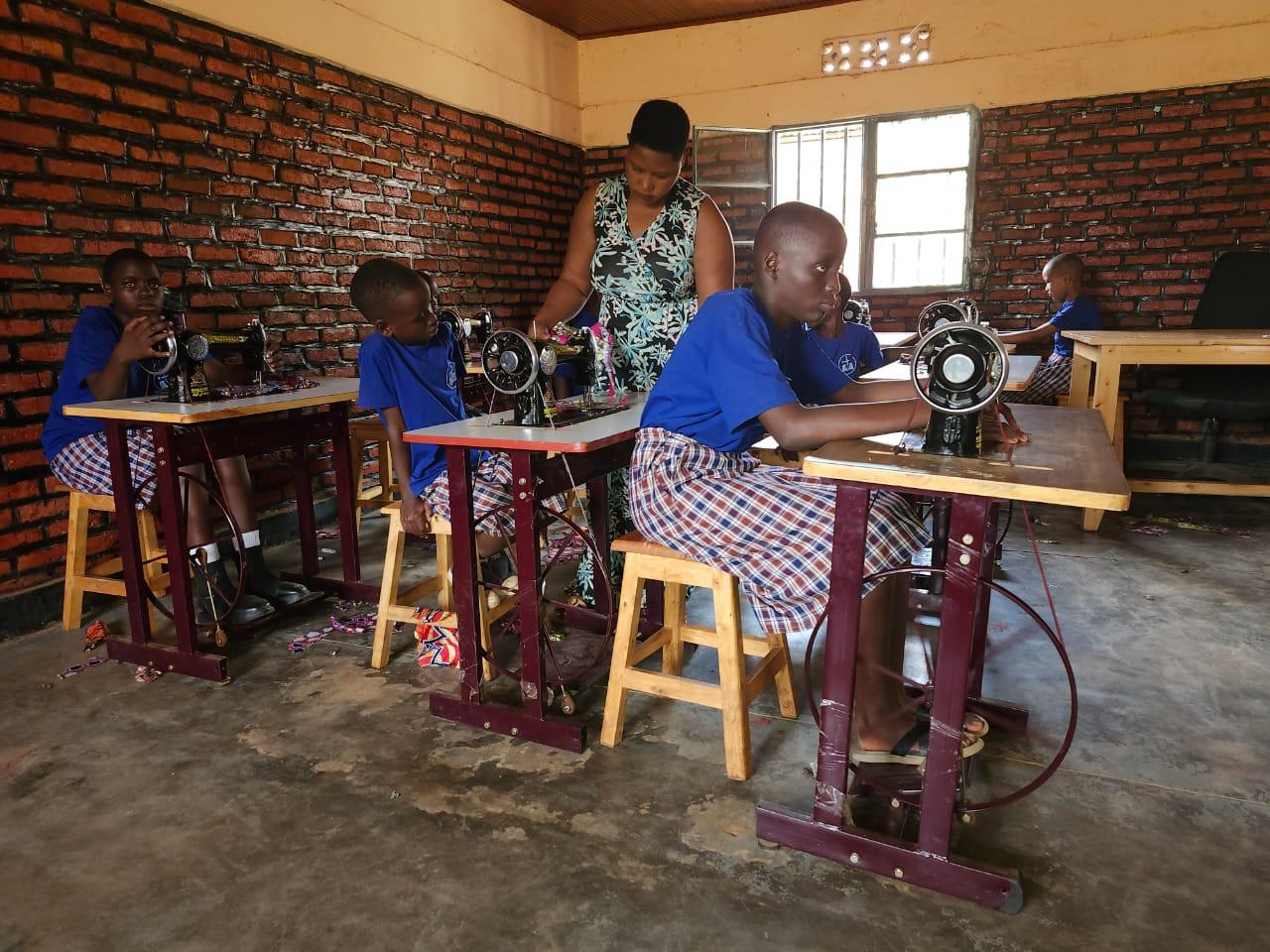
Apprentices training on sewing machines
Program 02

Vocational Training & Job Creation

Our WDA-certified vocational training programs prepare youth, women, and people with disabilities for the workforce. We don't stop at the certificate — every graduate leaves with a starter tool kit so they can begin earning income on day one.

Past programs have included vocational training for 62 girls in cooperation with World Vision and SEL France. Today our offerings span tailoring, hairdressing, driving, and other trades with strong local demand in Kigali and surrounding districts.

  • WDA-certified courses in tailoring, hairdressing, and driving
  • Tool kits issued at graduation — sewing machines, salon kits, etc.
  • Job placement and apprenticeship coordination
  • Targeted training for young women, people with disabilities, and youth from vulnerable households
  • Follow-up mentorship for the first six months of self-employment
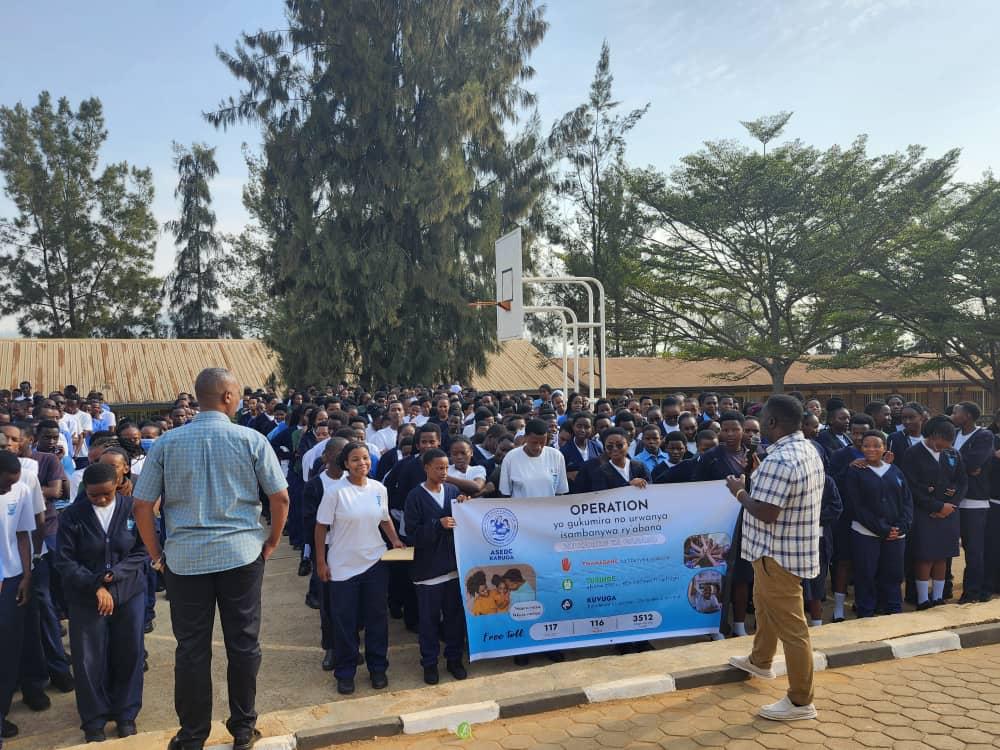
ASEDC staff and students at a child protection awareness campaign
Program 03

Health & Wellbeing

Community health programs target the diseases that most directly hold communities back: malaria, tuberculosis, HIV/AIDS, and malnutrition. We work alongside local clinics on outreach, early detection, and treatment adherence — with particular focus on women living with HIV.

Past partnerships with MAP International and CNLS Rwanda have delivered livelihood programs to women living with HIV, including a grain-shelling machine for 70 women and a mushroom farming initiative for 40 women — combining income generation with nutritional support.

  • Community awareness campaigns on malaria, TB, HIV/AIDS
  • Reproductive health education for youth
  • Psychosocial support for people living with HIV/AIDS
  • Nutrition programs targeting child malnutrition
  • Income-generating health partnerships (grain shelling, mushroom farming)
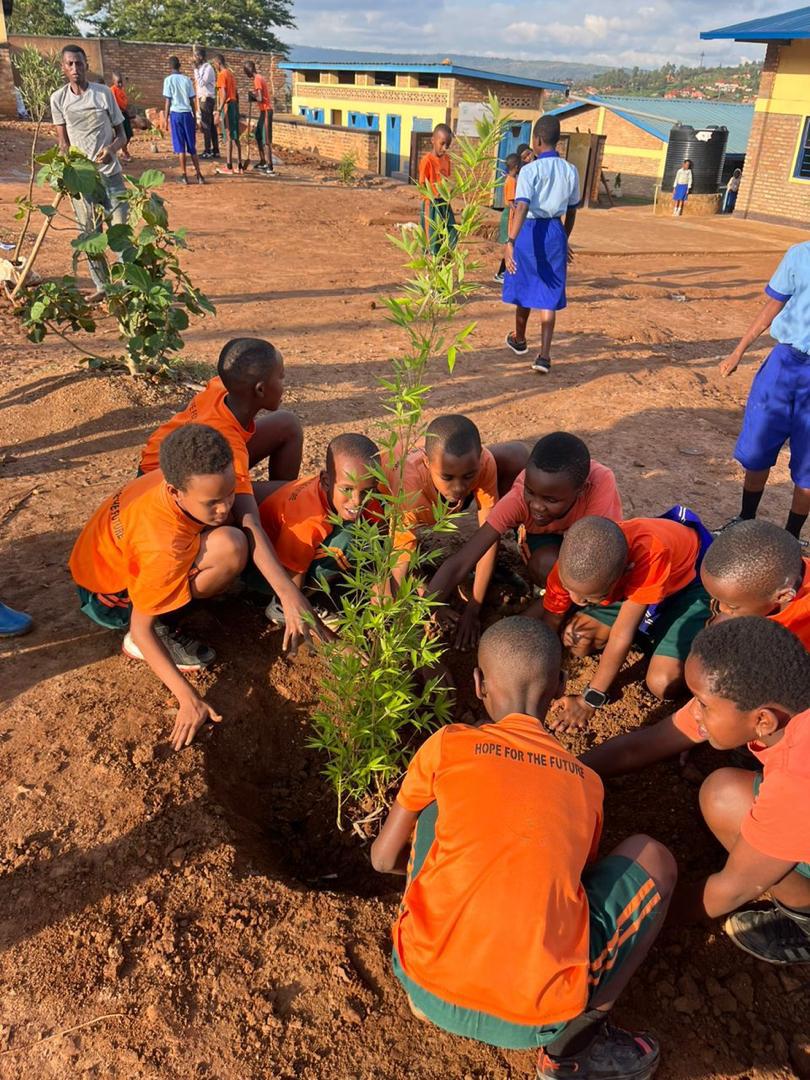
Students planting trees with ASEDC's environment cooperative
Program 04

Environment & Youth Cooperatives

Rwanda's hills and waterways are under pressure from population growth and farming. Our environment program organizes young people into cooperatives that protect natural resources while earning a living from sustainable activities — reforestation, soil conservation, waste management, and eco-tourism support.

Cooperatives are owned and run by their members. ASEDC provides start-up training, registration support, and links to district authorities, then steps back as the cooperative becomes self-managing.

  • Tree planting and reforestation cooperatives
  • Anti-erosion and terracing initiatives
  • Waste collection and recycling enterprises
  • Cooperative governance training
  • Linkage to district environment programs
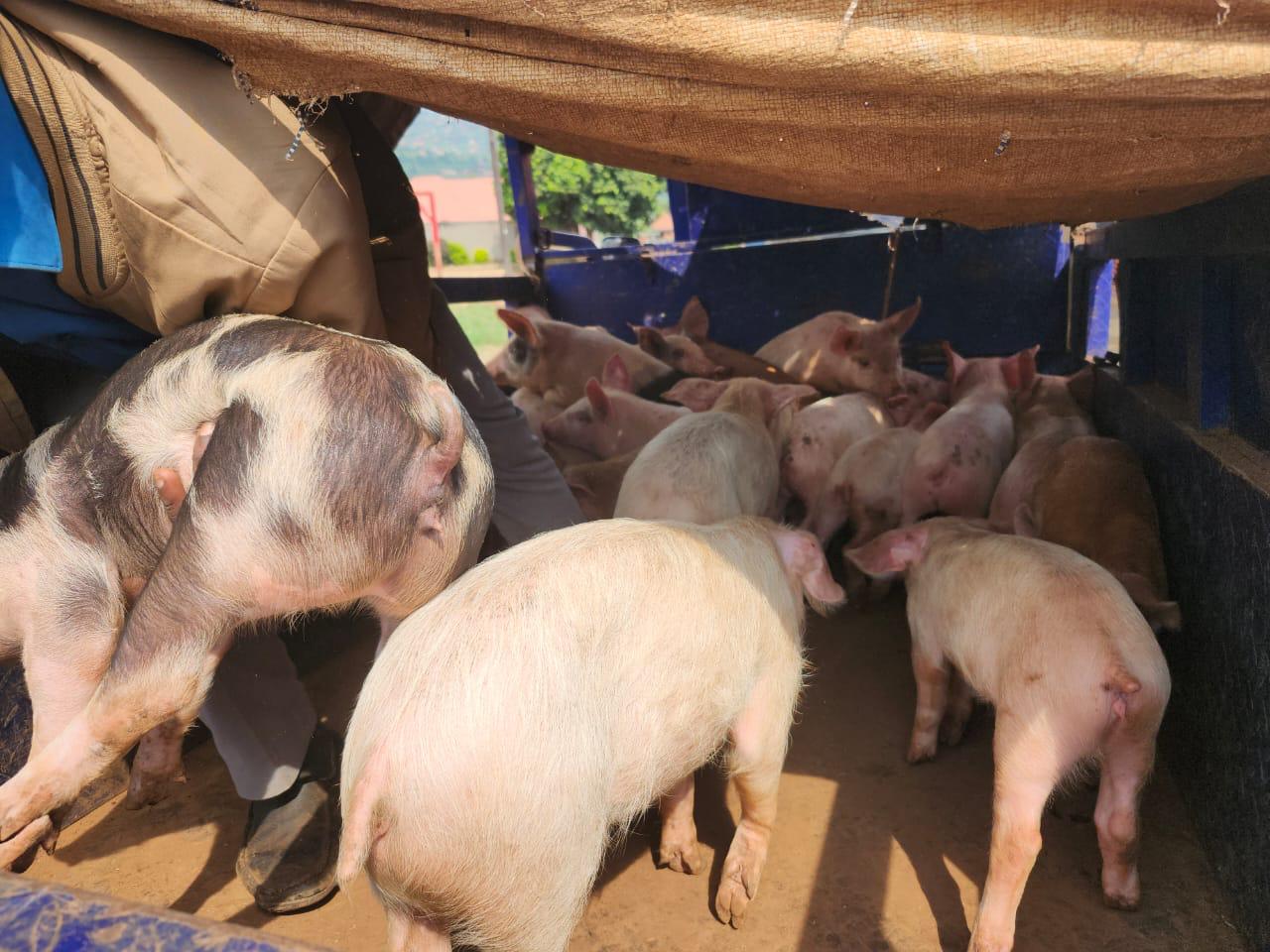
Pigs distributed as a productive asset through ASEDC's income-generating program
Program 05

Income-Generating Activities & Saving Groups

For many of our beneficiaries, the gap between training and a stable livelihood is bridged by a saving group. ASEDC organizes village savings and loan associations (VSLAs) that allow members to pool small amounts, take rotating loans, and gradually build working capital for their businesses.

We also support direct income-generating activities — small enterprises started by graduates of our vocational programs, and group enterprises for women living with HIV/AIDS.

  • Village savings and loan groups (VSLAs)
  • Group enterprises for women living with HIV/AIDS
  • Small business start-up grants and mentorship
  • Financial literacy training
  • Linkage to formal microfinance once groups mature
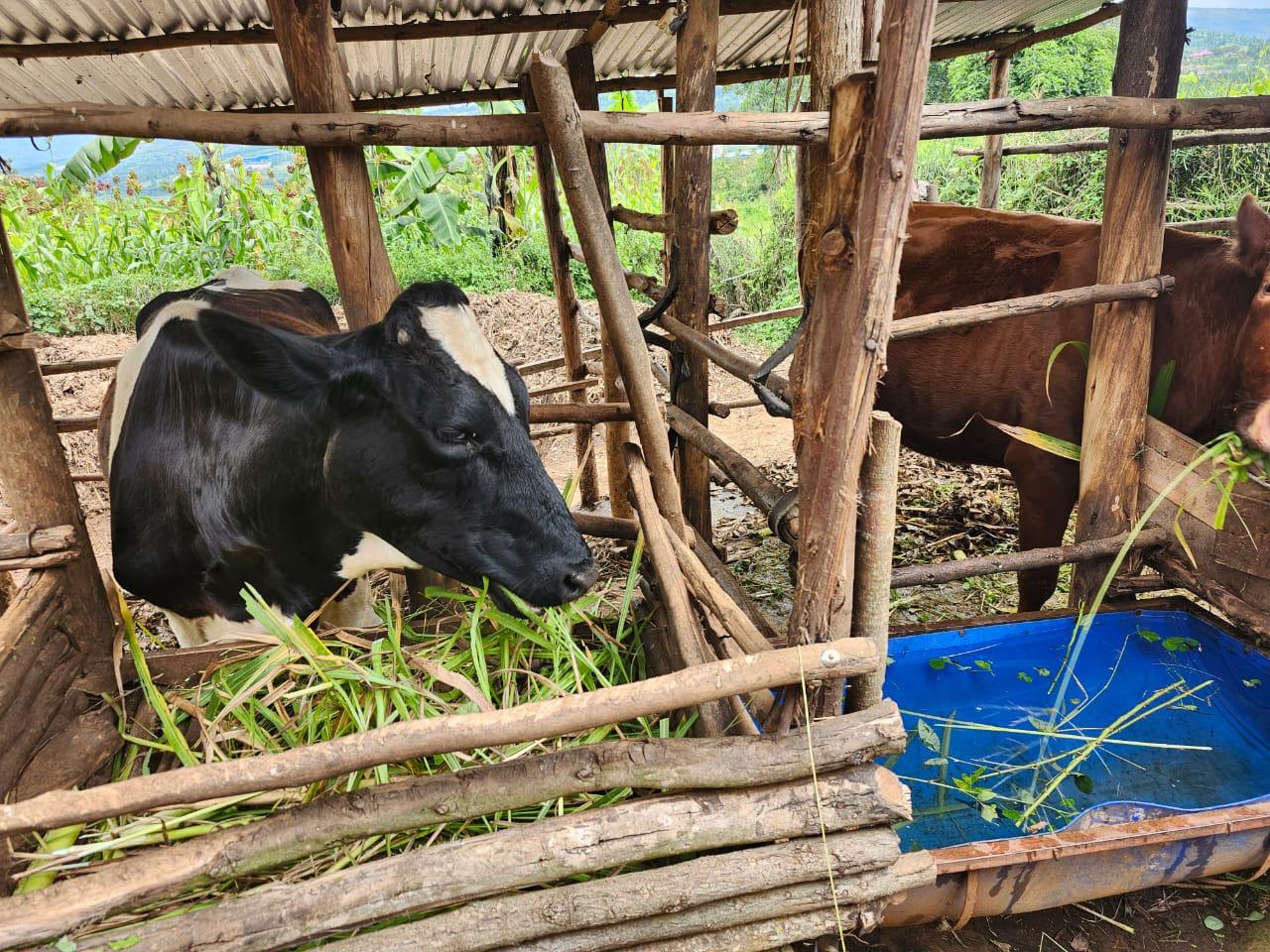
Cattle provided as a productive asset transfer to a graduating household
Program 06

Poverty Graduation

Our most comprehensive program combines all of the above into a structured 18–24 month pathway out of extreme poverty for the most vulnerable households. Drawing on the BRAC and Trickle Up models adapted to Rwandan context, the graduation program targets households identified through Ubudehe categories 1 and 2 — the poorest classifications in Rwanda's social registry.

Each household is paired with a case worker who supports them through consumption smoothing, asset transfer, livelihood training, and savings group enrollment — until they meet defined graduation criteria.

  • Targeted at Ubudehe category 1 and 2 households
  • Consumption support during early months
  • Productive asset transfer (livestock, equipment, or capital)
  • Livelihood-specific skills training
  • Saving group enrollment and case-worker mentorship
  • Defined graduation criteria — measured at month 18 and 24